How it works
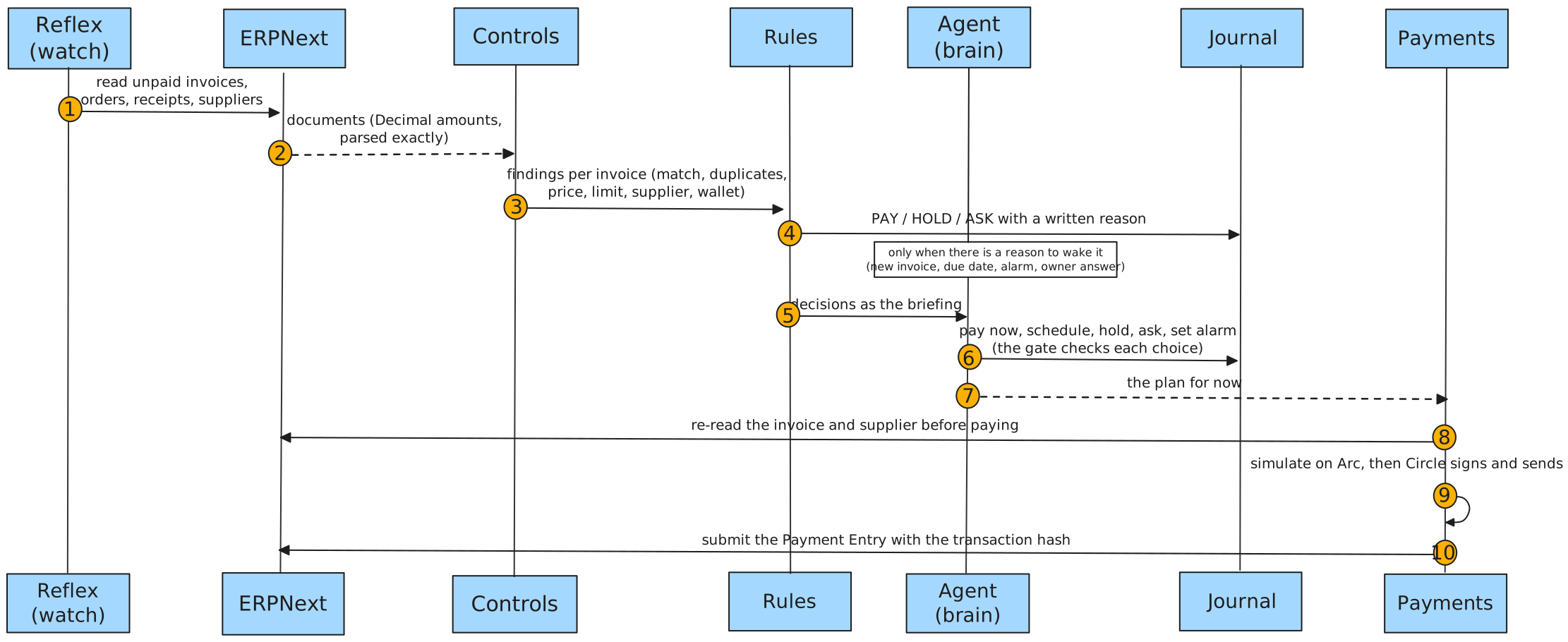
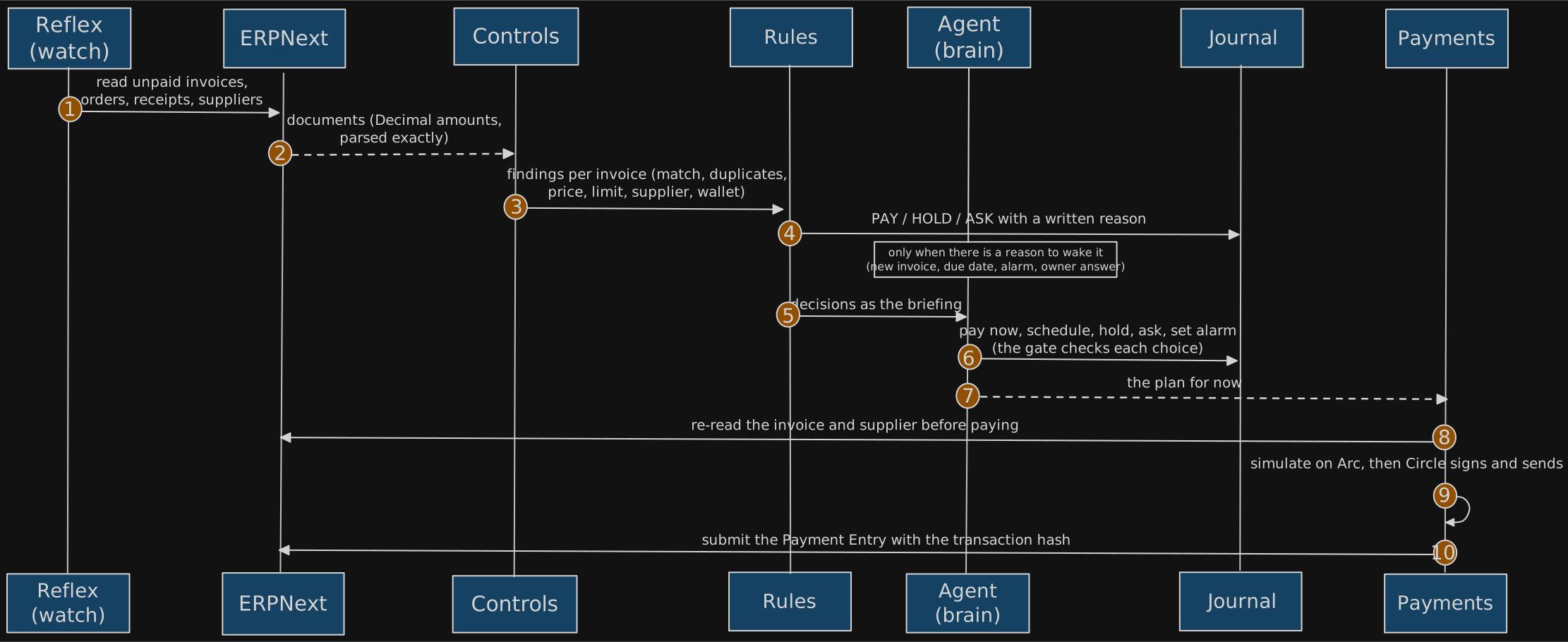
embco runs one cycle every 15 minutes (or once, on demand). Each cycle reads the shop's purchase documents from ERPNext, checks every open invoice, decides, remembers the decision and, if payments are on, pays what was approved.
One cycle
The fixed rule
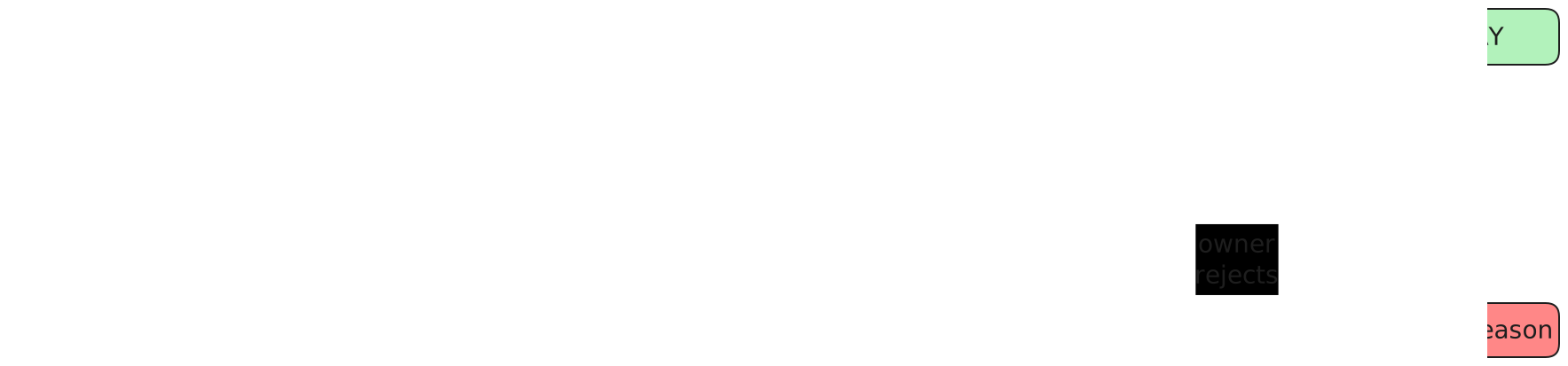
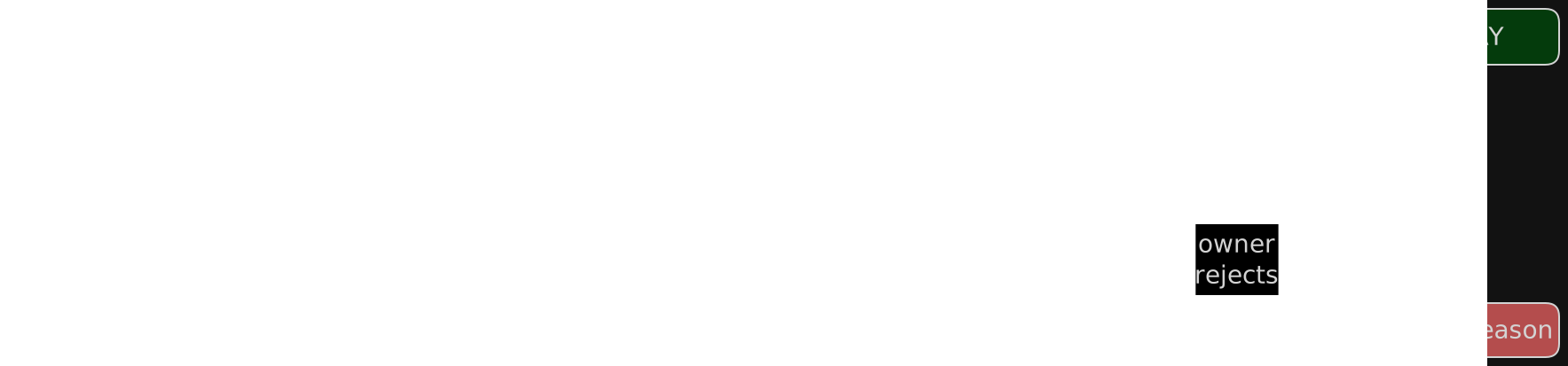
Each invoice gets one verdict from the controls. The rule combines them in a fixed order, and no model can change it:
Checks are small: one control per file under agent/guardrails/controls/. Each one returns a
finding with its evidence, so the reason on screen is the reason the rule used.
Who decides what
| Question | Decided by | Notes |
|---|---|---|
| Is the invoice allowed to be paid at all? | The rules | Fixed, testable, no model involved |
| Is this supplier's wallet safe? | The wallet control, then the owner | A new wallet waits for the supplier's signature and the owner's approval |
| What is paid now, and what waits for a date? | The AI model | It stages choices; the gate refuses anything the rules forbid |
| Is the payment allowed on chain? | The shop contract | Limits, approved payee, once per invoice, pause |
Nothing leaves the owner's wallet until the owner authorizes payments in the dashboard and makes the shop's agent wallet the agent of the contract.
Memory
Every decision, owner answer, wallet challenge and payment step is an event in an append-only
journal. Each event stores the hash of the one before it, so changing an old event breaks the
chain. embco verify checks it.


Owner answers
When the agent asks, the owner answers in one of three places. Each answer counts once and only for the question the agent last showed:
- the dashboard: approving a new wallet in the shop contract is also the answer,
- the ERP, on the invoice, from an account listed in
EMBCO_OWNER_USERS, - the command line, with
embco answer.
On Telegram the owner can talk to the agent, pause payments or stop it, but an answer to a question still goes through one of the three places above.
See Connect your ERPNext for the ERP side.